There are times when you’ve simply had enough. You’re tired, you’re hungry, but you can’t stomach another bite, the distance was long, the elevation brutal, your skin has been rubbed raw, an injury has taken it out of you, the struggle has drained you (whether it was against a competitor or against yourself), you no longer feel like you’d look particularly good in a photo… Or – and you have every right to this without needing any explanation whatsoever – you simply don’t feel like it.
Feel free to let the photographer know. A shake of the head, a firm but not unfriendly dismissive hand gesture (just be careful they don’t mistake it for a wave ;) ), or simply saying, “please, don’t” will do. They will understand. And appreciate it. Many photographers who shoot runners are runners themselves, or at least know and practise this beautiful but often brutally tough sport. They understand the effort you’re putting in. They know what you’re going through.
Anyone with some experience in race photography will usually sense, even without an intentional signal, when their enthusiasm is not welcome. Remember that they’re there for you, trying to create a memory for you. Especially if they’re the photographer commissioned by the race organiser, they’re simply doing their job and fulfilling their assignment. When you enter a race, you may come across a clause stating that photos and/or video footage may be taken of you at the event, to which you consent by submitting/finalising your entry. But even so, I believe the photographer should also be willing to meet you halfway when you already know, in that very moment, that this is something you won’t want to remember.
My favourite example: during a trail race, as I arrived in a valley, I slipped and went down sideways on a shamelessly waterlogged forest track, right in front of the photographer. And I mean really sideways. :D And all the while, I could hear the camera clicking away. Obviously, he hadn’t intended to capture that, but that was the performance I handed him.
I laughed my head off. He, understandably, was more concerned. And thanks to the shock – quite literally – I completely forgot to tell him that I wouldn’t particularly enjoy seeing those photos published. Although, I admit, there was a tiny bit of madness working away in the background, because I was already planning how I would share the photo from the official album with the caption: “This is how I usually take corners.”
And guess what? That whole sequence of me falling was, naturally, not in the album.
That was my little “case zero”, the first thing that made me wonder whether there really is such a thing as sports photography ethics – or whether he was simply a decent photographer who stopped to consider how badly he might damage my reputation by publishing those pictures, however good they might have been from a purely photographic or professional point of view.
This also brings another thought to mind, something I’ve been trying to stick to myself in all circumstances… (Coming soon: a blog post with the working title “Flattering phases of movement – from a photographer’s perspective”.)
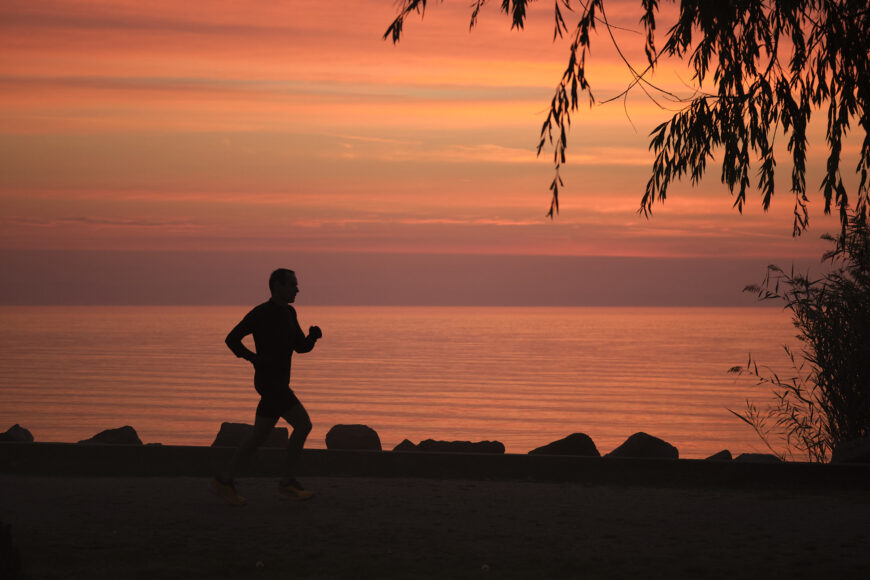
I will always remember the first 24-hour race I took part in as a helper. During the final hours, I set off to take some photos along the beautiful lakeside promenade, surrounded by the light of sunrise. Most of the runners broke into a broad smile when they saw me, even though they had only just made it through the night and dawn – the hardest part of the race. The biggest jokers were still passing me with huge grins and loud jokes.
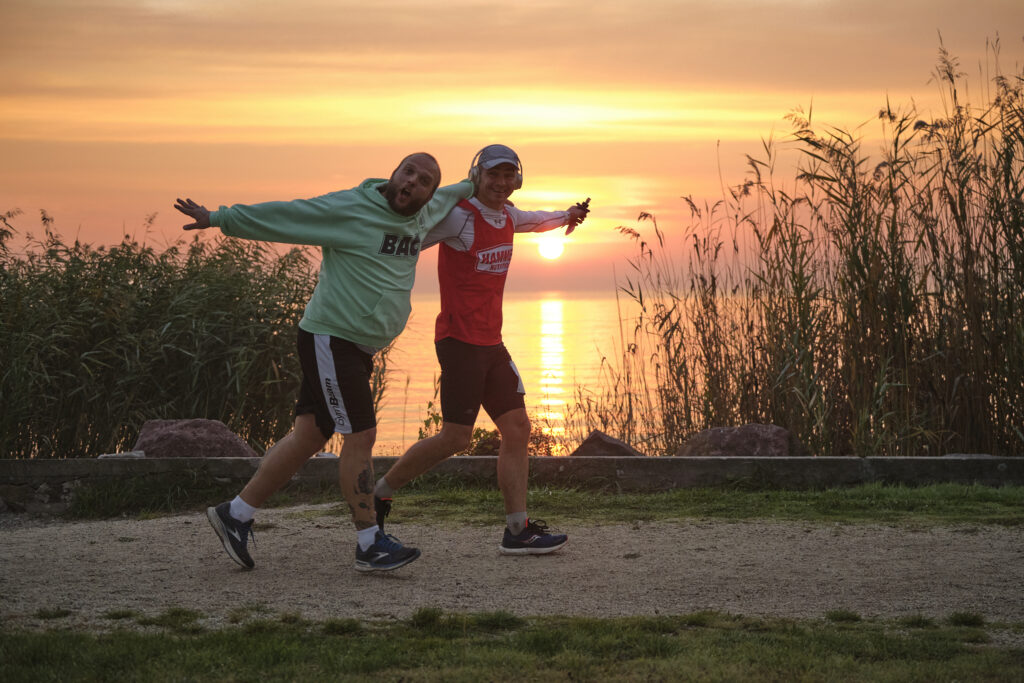
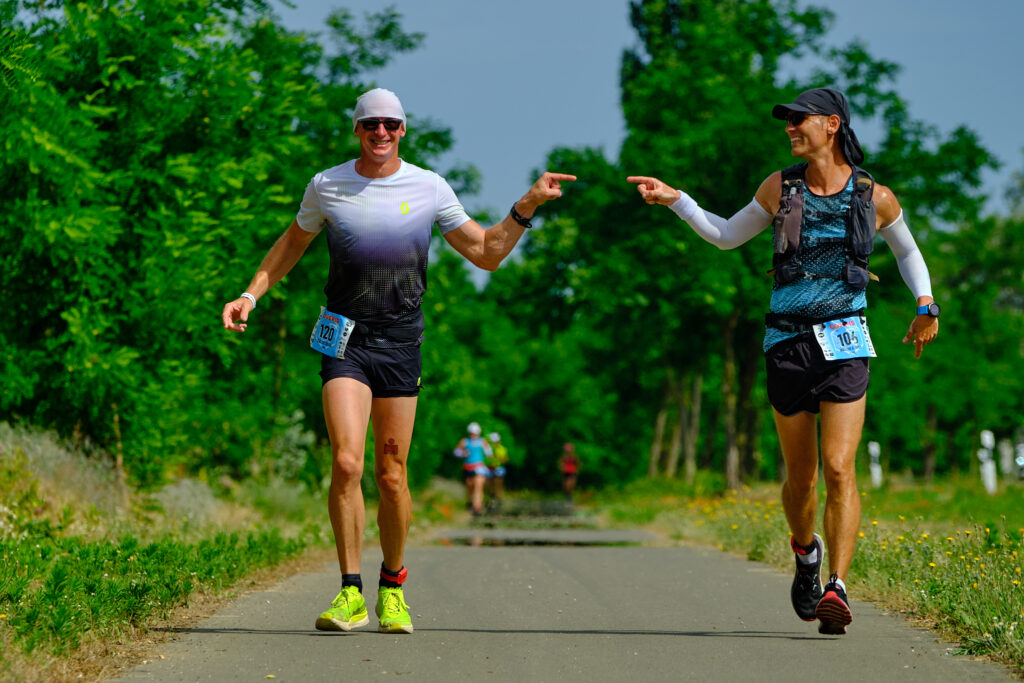
even after many, many kilometres.
(UKKO Ultra 48h – 2022; BácsKiskunUltra – 2023)
Others, however, no longer looked at me. They kept their eyes down, watching their feet. They either couldn’t or didn’t want to notice me. I tried to respect that, and I could feel that by this stage, not everyone wanted to be photographed.
And there was one runner who made it very clear, very firmly, that she did not want any more photos of herself. She was fighting incredibly hard and was already completely exhausted. She had given everything she had to the race, and the race had taken everything it could from her.
There were three hours left until the final horn. I was crouched down at the side of the course, keeping out of the way as much as possible. When I saw a runner approaching, I raised my camera, looked through the viewfinder and started composing the shot.
But as this particular runner came closer and realised what I was about to do, she first said, pleadingly, “don’t”. A moment later, accompanied by a shake of the head, she reinforced it with a firm: “No.”
It wasn’t rude, it was crystal clear. No fuss, no ambiguity. I immediately lowered my camera and quickly said, “Okay.” I won’t pretend it didn’t sting. I found myself wondering what on earth I had been thinking, trying to photograph them at that point…
I will never forget that moment, because it was the first time I really thought about things from the other side of the camera: not every runner is happy to be photographed, and I need to learn when it’s okay to take a photo and when it isn’t. I need to know which moments photography adds something to the runner’s experience – and which moments it doesn’t.
At the same time, I was incredibly grateful to her for making that decision, and for sparing both of us the awkward situation where, had the photos ended up in a public album (which, incidentally, I couldn’t have uploaded without the consent of the runners appearing in them – and I think that’s important to point out), she might later have written to me, perhaps publicly as well, asking me to take the photo down because she didn’t identify with it or didn’t want other people to see her that way.
Since then, I’ve been consciously paying attention to this. I try to work out in advance whether taking the shot will do someone good or simply annoy them. Whenever possible, I try to avoid the latter.
It’s true that I haven’t come across many similar situations. But I have come across some. Some people simply ignore me, which is much more common. In those cases, I also keep a lower profile and don’t push it. It is extremely rare for someone to say “please don’t photograph me” at a race and actually mean it rather than joking. But when they do mean it, there’s no discussion. I take note and that’s that.
Of course, it can still happen that someone has agreed to be photographed – either by entering the race or simply by their behaviour in that particular moment – but later doesn’t like the photo of themselves. Maybe they look more worn than they had hoped, maybe they don’t like their expression, maybe they think they look heavier than they are, etc. In that case, they may send me a private* message asking me to remove it. (*Thank you for asking it in dm!) What happens much more often, though, is that people ask for the photo in a higher resolution so they can use it themselves.
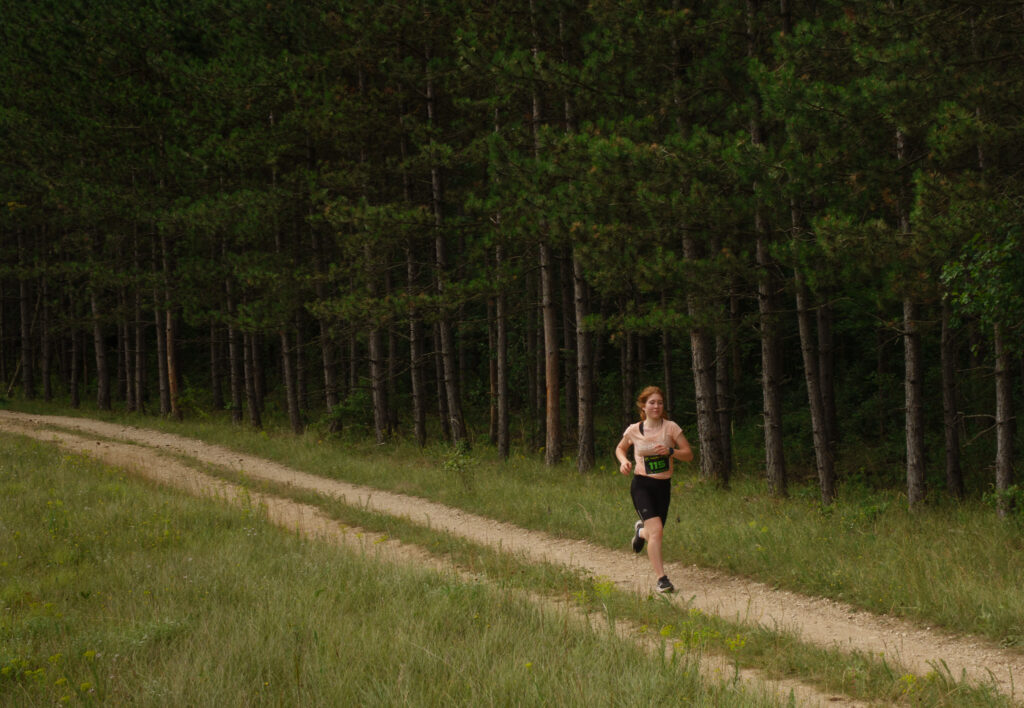
(Eszter Barabás, CountryMan Trail – 2022)
I know there are people who believe the difficult moments should be documented too. Or at least that it’s worth doing. There may come a time later when having a photo like that turns out to be incredibly useful. Looking back, even the most desperate moments can take on a different meaning, become almost beautiful in retrospect, or at least the feelings associated with them may soften.
Sometimes a photograph brings those feelings back to life. Other times, it helps you process them. It can be particularly powerful when someone looks back at an earlier experience from a more rested or stronger place in their life and suddenly realises how much they have grown since then.
Or thinks: “Back then I thought it would never end. I thought I would never make it to the finish, that those X hours would never pass. And yet… I did it. I kept going. I made it all the way. I had decided I would do it. I wanted to know whether I was capable of it – and yes, I did it.” Oh, the number of times I’ve had thoughts like that when similar photos have come back to me, sometimes years later… :)
But when you are there on the course, fighting for every single metre, I don’t have enough time (unfortunately) to explain all of this to you. In that moment, right there, I have to respect it if you don’t want the photo taken. It’s your race, your moment, your decision. I think both you and I have to weigh that up. And if the person in front of my camera explicitly asks me not to take the picture, then I simply mustn’t. End of story. To me, that carries exactly the same weight as when someone is grateful for the photos.
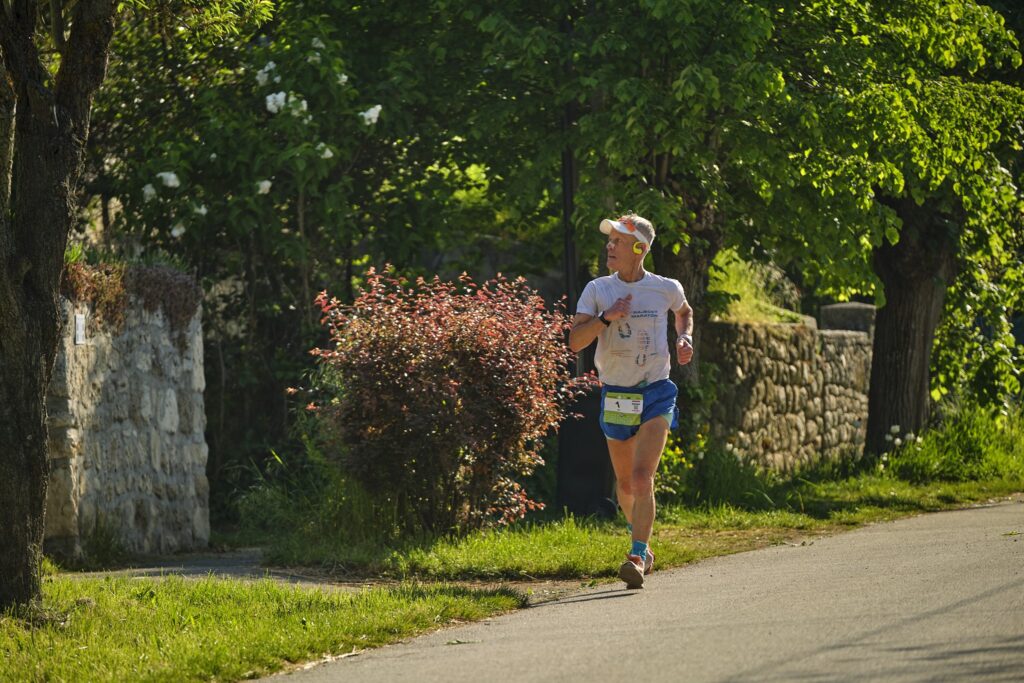
Based on my observations and my own experiences, I’ve found that the different stages of longer running races can be fairly clearly distinguished from a photography point of view:
The beginning of the race: the first minutes and kilometres after everyone sets off. Everyone is still happy. Almost everyone can still smile, laugh, wave, give you an OK sign, jump, fool around. Everyone still looks tip-top, their movement is composed and controlled, etc. It’s definitely a good time to take photos. It’s simply part of the whole story.
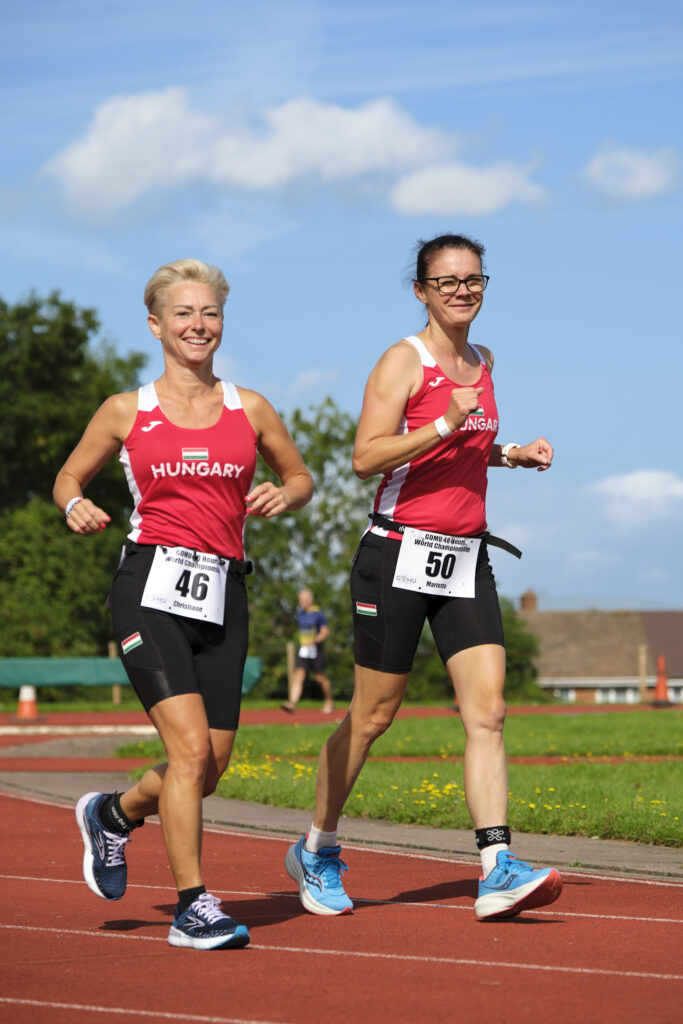
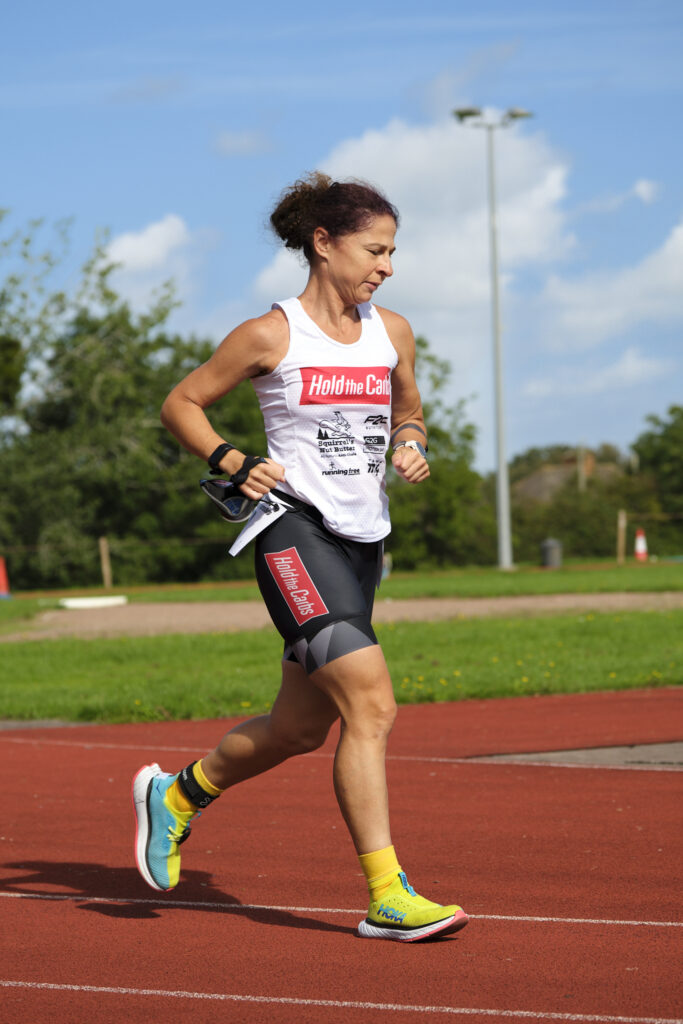
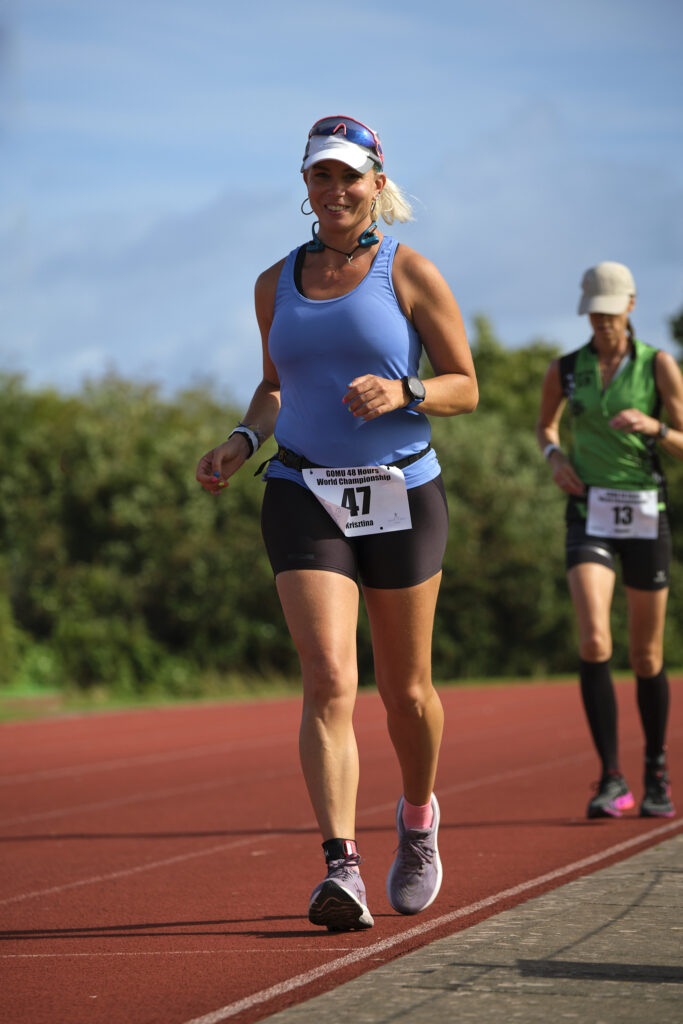
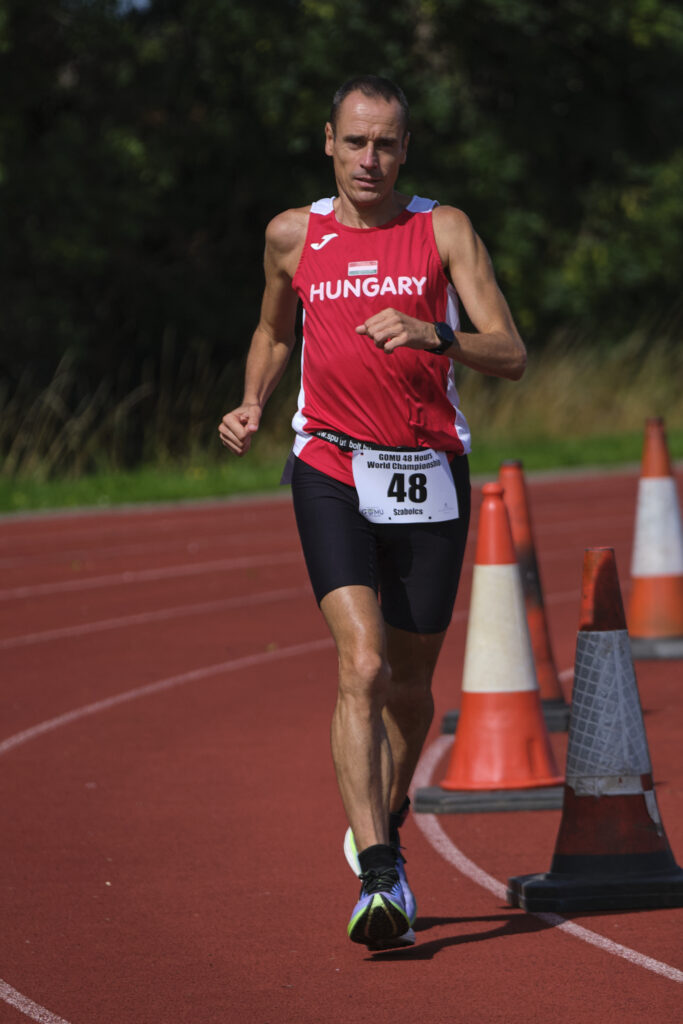
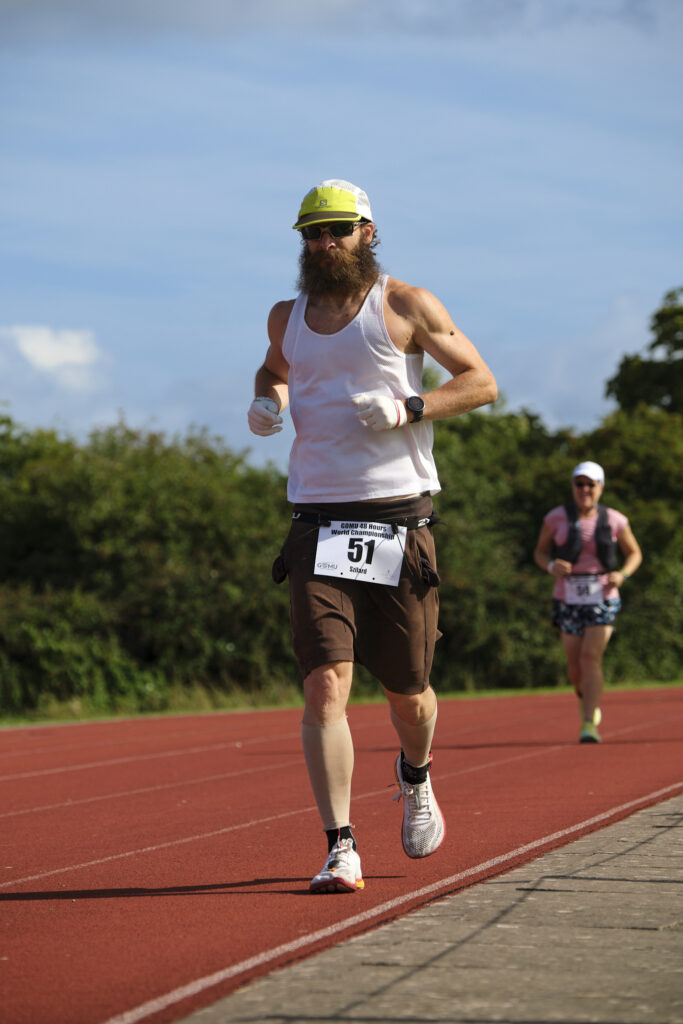
(From left to right: Christiane Hornyánszki, Marietta Ignácz, Viktória Brown, Dr. Krisztina Drabik, Szabolcs Beda, Szilárd Fodor)
The middle of the race: there’s one (or more) breathtaking panorama, a gorgeous sunset or sunrise, or some particularly characteristic location. You’re glad to have a photo taken because the scenery and the occasion are anything but ordinary.
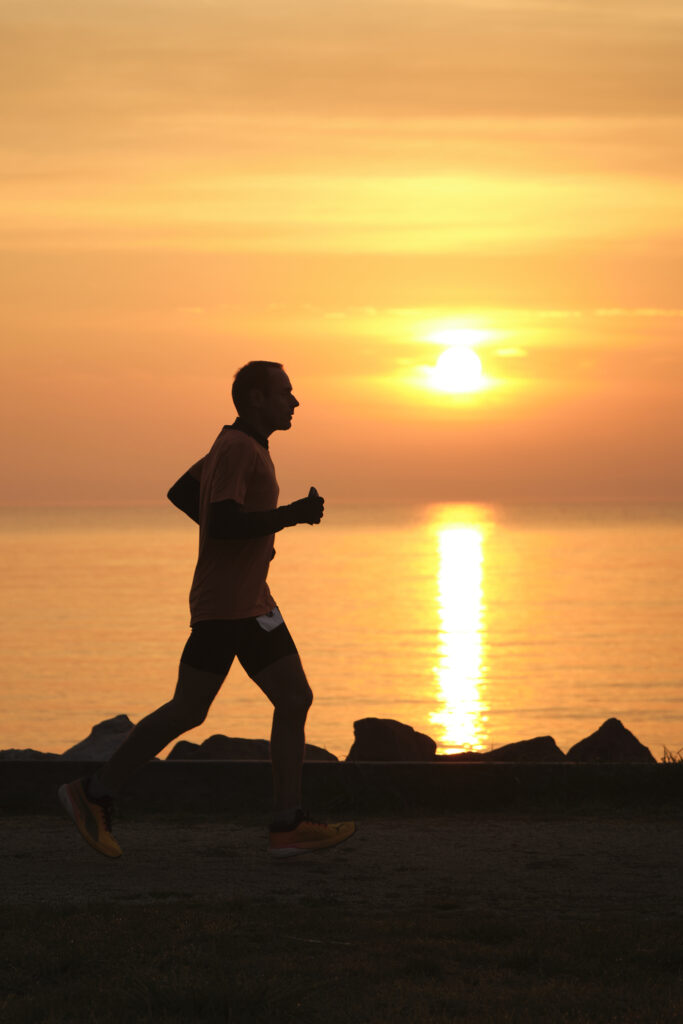
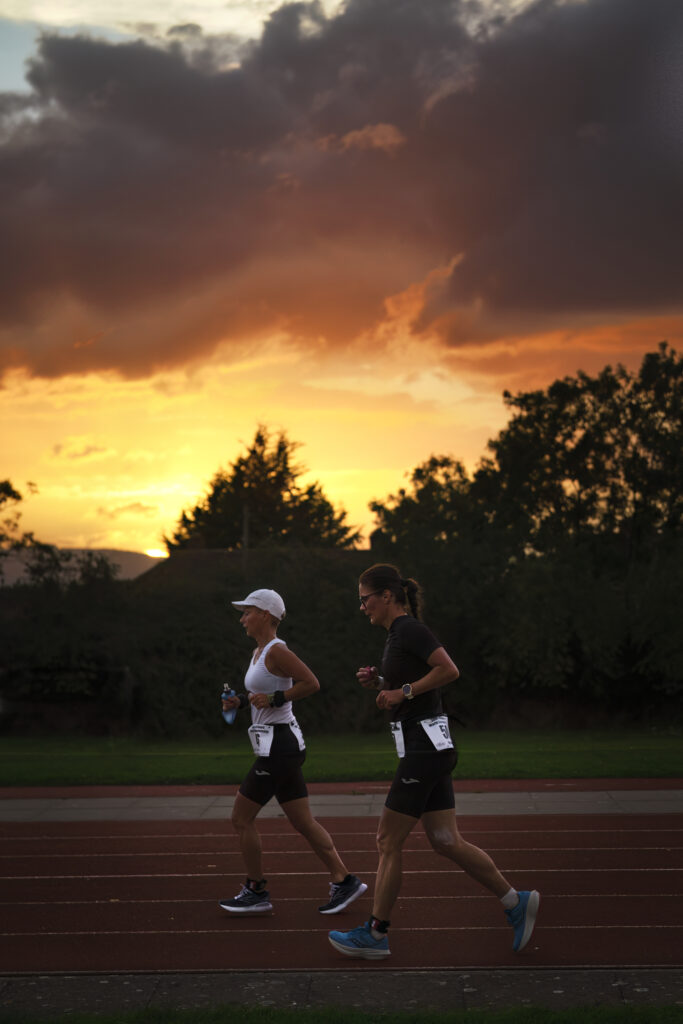
The second half of the race, as the finish approaches but is still many kilometres away: “Everyone leave me alone. If you can’t help, at least don’t add another burden by making me pretend I’m having a great time.”
You don’t have to lie – not to anyone else, and not to yourself. If you’re not enjoying it, you don’t need to put on a show of relentless positivity. You’re doing what you have to do. Everything else just costs extra energy.
Of course, you don’t have to be rude either, but at this point the line can be very thin. Personally, I always try to assume that if someone says or does something grumpy, they’re not doing it out of malice. In fact, for me, this is more or less a “no-go” zone. This is not the time to make small talk, coax a smile out of someone, or even necessarily document the moment. This is not what this moment is for.
If I feel that I’ve entered this zone, I’d rather ask in advance, sympathetically: “Are photos still okay?” But the moment I find myself asking that question, I already know the answer. I can feel that it’s time to leave people alone. At that point, it’s better to put the gear away for a while and simply cheer them on.
The final kilometres, the final minutes: you can already believe you’re going to make it. You can’t wait to finish. Maybe you’re even sick of it by now. Maybe you’re swallowing back tears. (Ah, no. Let’s not get too poetic here. Let’s call it what it really is: your snot and sweat have merged into one.) But this is no longer the “everyone leave me alone” phase.
Now you crave encouragement. Every single “come on!” or “you’ve got this!” coming from outside the course feels like an extra ten metres. You can feel yourself moving forward. You want to do this. It doesn’t matter whether the encouragement comes from a fellow competitor or a spectator. Even if you feel like you can’t genuinely react to it, it still lands like a bite of chocolate.
And this is the moment when, if a photographer hands you that little piece of chocolate, you can actually appreciate it too. If nothing else, it gives you a reason to pull yourself together a little for the photo, straighten your posture, put yourself back together. Maybe even manage a self-conscious smile. You do know that if you act as though you’re fresh and everything is absolutely fine, your brain takes it as an instruction, right? It might be a bit of a stretch to say, “and then everything will actually be fine”, but it definitely gives you a boost for those final kilometres.
So next time you find yourself in a situation like this, think about it! If you take the opportunity, you can give yourself a dose of energy you didn’t even know you had – and it might come at exactly the right moment.
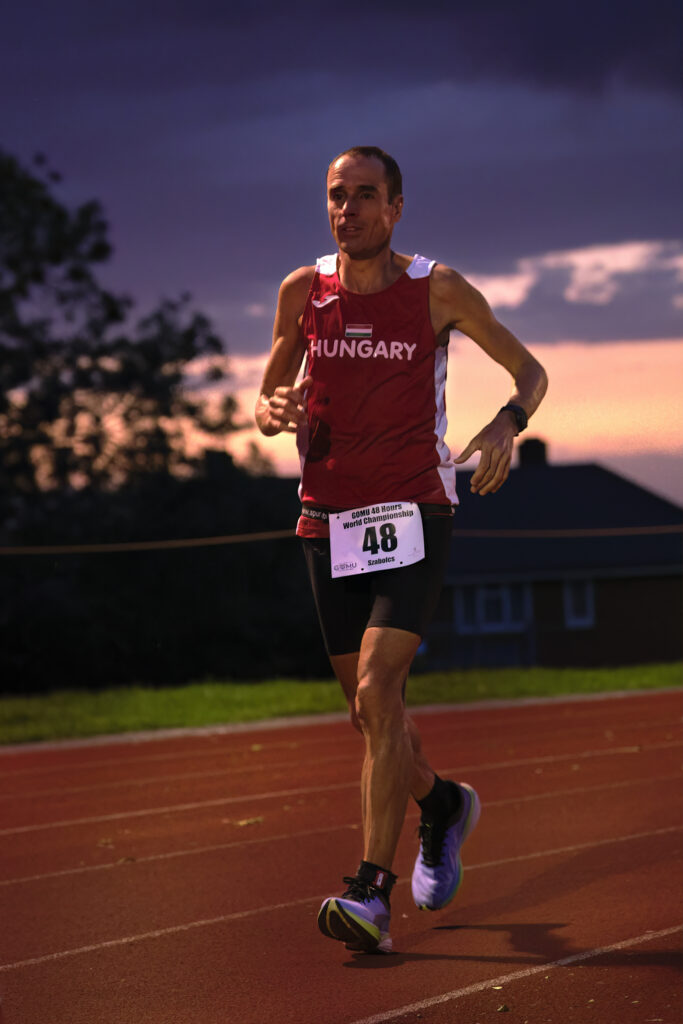
The finish: ecstasy. It doesn’t matter what you do, what your posture looks like, whether you’re laughing or crying, looking up or burying your face in your hands, whether your limbs collapse in every direction or you stop your watch like a pro, whether you raise your personalised finishing ribbon triumphantly above your head or drag it in behind you, whether you cross the line alone or hand in hand with someone else – this is all you. Here, you can’t be anyone else but yourself. The finish line is a mirror that tells the whole story of you and your race.
It’s no coincidence that the finish-line photo is such an important piece of the puzzle. And, as a bonus, you can usually count on it. You know where and when it will happen, which means you have at least a tiny bit of control over the situation. If you still have enough presence of mind, you can shape – just a little – what that photo will look like.

(Szabolcs Beda multiple Hungarian national champion and 48H world champion)
These observations and experiences have helped me over the past few years at longer races to create photos of runners that they themselves ask for, keep, share and love.
Just three weeks before publishing this post, I took part in the GOMU 48-hour World Championship in England as the Hungarian team’s support crew. Before the start, I sensibly discussed my plans with the runners: I would photograph them during the first hour, and if the colours were good, I’d also try during the first sunset and/or first sunrise. That way, they knew what to expect, and everyone could give their best – both in front of the camera and beyond it.
During the Friday-to-Sunday event – especially since it was a looped race – I saw no point in stressing them with a camera from the second day onwards. By then I already knew that truly useful, worthwhile photos were most likely to come during the early stages of the race. As time went on, the conditions and the runners’ physical state made it increasingly difficult to produce photos they would actually be happy to see, with the exception of those atmospheric moments around sunset and sunrise. But in a 48-hour race, or anything longer, I don’t push even those once the second night starts approaching.
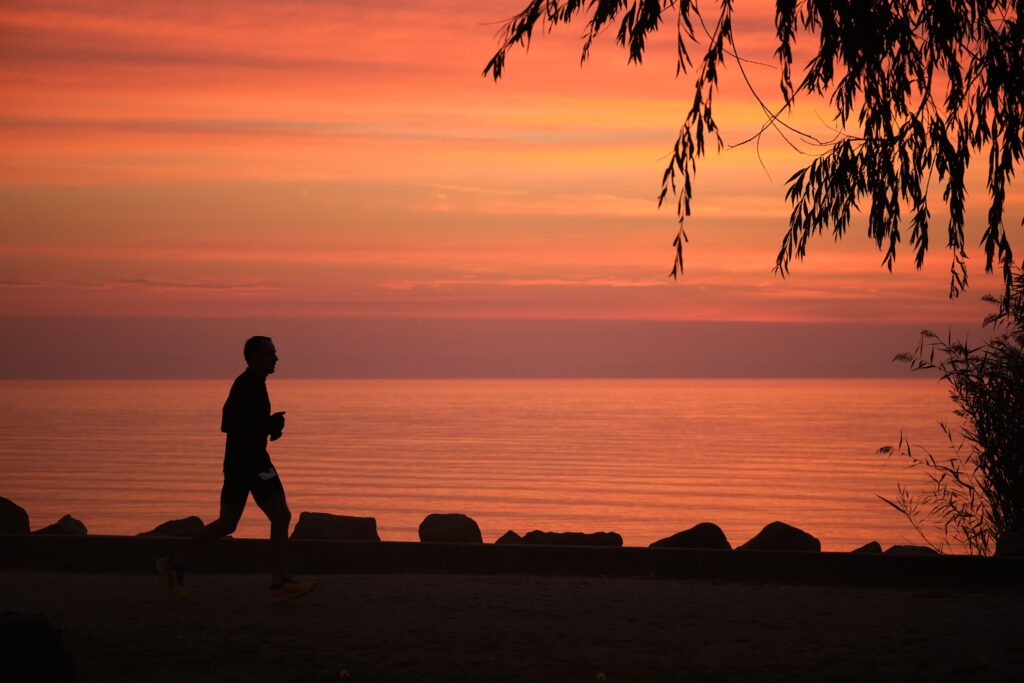
(Szabolcs Beda multiple Hungarian national champion and 48H world champion)
I also think about the fact that I would almost certainly just be filling my memory card with extra megabytes for no good reason, only to multiply the time spent culling and potentially editing the images afterwards. In my view, less is more here too: a handful of good, striking photos that can go on social media and to the press, plus a few memories that will always be a pleasure to look back on.
The moment the race is called is a different story. By then, everyone is already taking photos and videos of absolutely everything with whatever technology they have within reach. :) And those recordings are perfectly fine too (unless the runner is in such a bad state that publishing them would be undignified), because they capture reality and help share the experience with people who couldn’t be there in person. (A little clarification for those less familiar with the world of ultrarunning: in a timed event, there is no finish line that participants cross to complete the race, so there is no classic finish-line photo either.)
Interestingly, I actually wrote the first draft of this post more than a year ago (2022). And I would still write it in exactly the same way today – I’ve simply added my most recent experiences.
To sum it up: if things turn out differently from what you planned, and you really don’t want that particular moment captured, don’t be afraid to ask the photographer not to take the photo. You have every right to do so. Everyone will understand – photographer, organiser and fellow runner alike.
But this isn’t usually what runners are like. Even if you feel like you’re not quite yourself or things aren’t entirely okay, consider that maybe it’s not actually such a bad thing to have that photo taken. Let the moment be preserved. You can always look at it later, with a clearer head, and decide what it means to you. What it helps you remember. What lessons it helps you draw. And what, if anything, makes you decide that you still don’t want to keep it.
If you have the opportunity and nothing is seriously wrong, consider taking it rather than letting it pass you by.
And as for me, I need to earn your trust. My job is to make sure that the photos of you that see the light of day are the kind of photos I also would like to see of myself as a runner.
Originally written in Hungarian on September 3, 2023.
You can browse more race photos in the gallery.


Join my Mailing list
Stay connected to the world of running photos
If you’d like to stay in the loop about upcoming photoshoots near you – or read useful, real-world tips about creating good running photos – feel free to join my mailing list.
No spam, no daily messages – just the good stuff, every now and then.